UK Anticipates Rare Weather Phenomenon with Saharan Dust Plume Affecting Sunsets
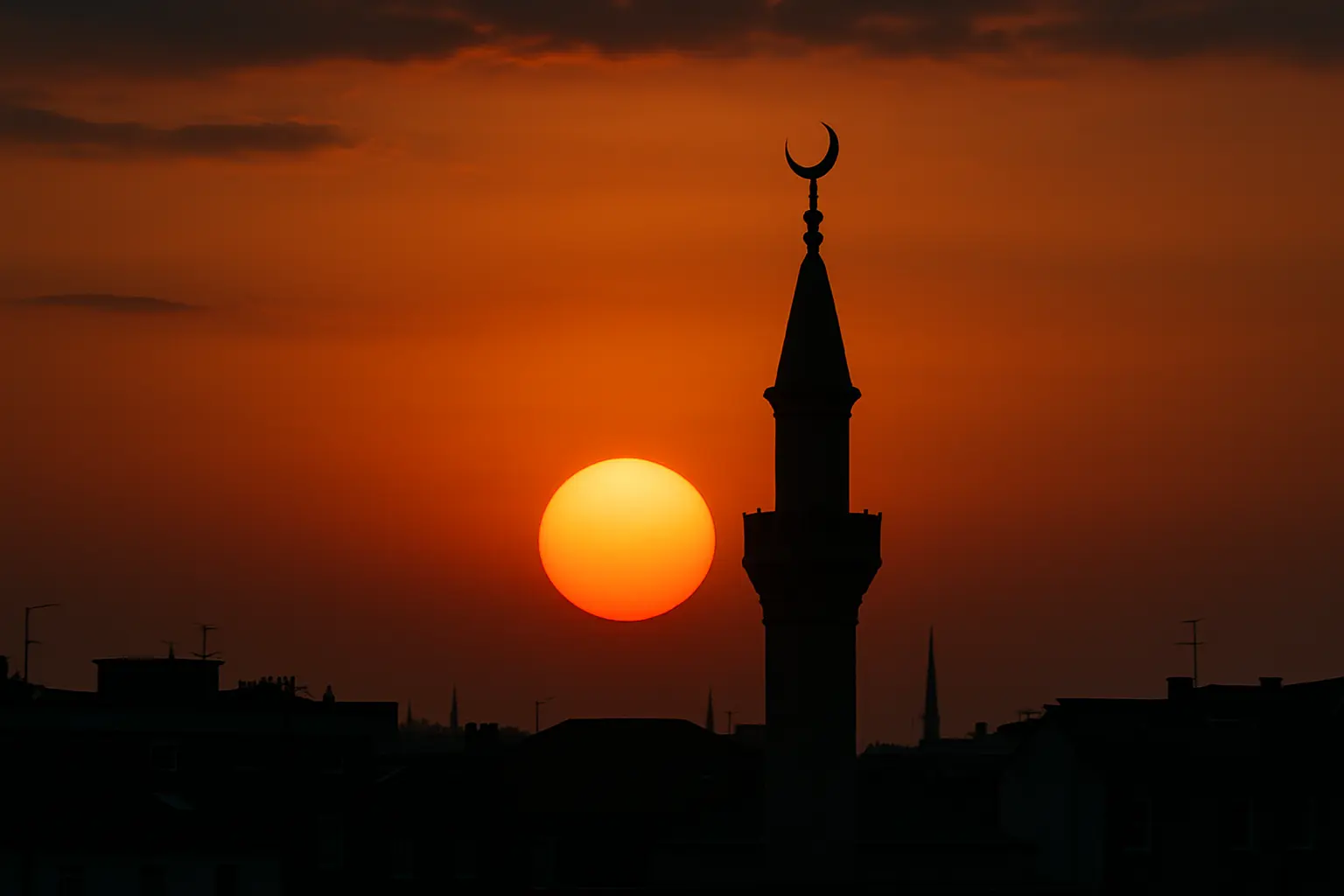
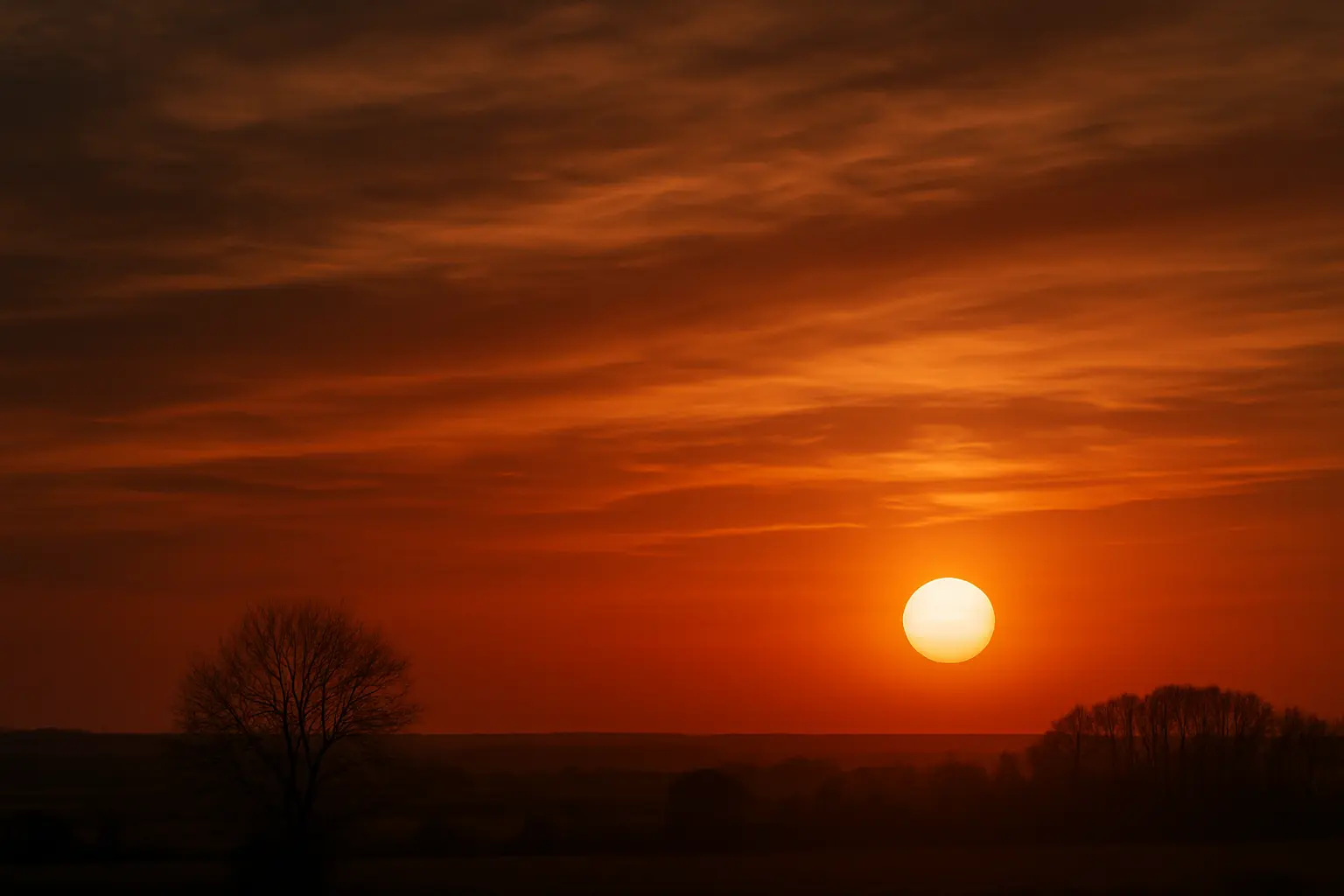
A plume of Saharan dust is set to hit Norfolk, potentially leading to unusual sunset colors across the UK as temperatures peak at 18C, the warmest day recorded this year.

At a glance
- A plume of Saharan dust is expected to hit Norfolk, UK, leading to rare weather conditions.
- The UK is experiencing its warmest day of the year, with temperatures exceeding 18C.
- This combination may result in striking sunset views and reports of unusual phenomena like 'blood rain'.
- The weather events have generated significant public interest across multiple news outlets.
What happened
On February 25, 2026, the UK recorded its warmest day so far this year, with temperatures exceeding 18C. Concurrently, a plume of Saharan dust is set to impact parts of the UK, particularly Norfolk, potentially leading to a rare weather phenomenon. This atmospheric event may influence sunset colors and contribute to unusual weather phenomena such as 'blood rain'.
Why it matters now
The public and media attention on the UK’s warmest day combined with the approaching Saharan dust plume has sparked interest due to the rarity of the event and the visual spectacle it might create, including unusual sunsets and potential 'blood rain' conditions. The phenomenon is covered by major outlets like The Independent and Eastern Daily Press.
Latest updates
Reports emerge of the UK’s warmest day of the year surpassing 18C.
Plume of Saharan dust forecast to hit Norfolk, raising prospects of rare weather phenomena.
What is still unclear
- Information is based on current reports and projections as of February 25, 2026, and may evolve with weather changes.
- Details are drawn from trending search data and linked media sources without direct meteorological confirmation.
FAQs
- Q1What causes the Saharan dust plume to affect UK sunsets?
- Saharan dust can travel long distances through the atmosphere, altering the particles in the air. This can change the way sunlight scatters during sunset, often resulting in vivid or unusual colors.
- Q2Is the 'blood rain' related to the Saharan dust?
- Yes, 'blood rain' typically results from rain mixing with dust or sand particles, often from desert regions like the Sahara, giving the rain a reddish or brownish appearance.