Cape Verde Gains Attention in Upcoming Spain Match and Environmental Studies
Cape Verde draws notable interest ahead of the Spain vs. Cape Verde watch party and features in recent sea turtle climate change research.

At a glance
- Cape Verde is part of a highly anticipated sports event against Spain with a dedicated watch party.
- Scientific studies highlight the early nesting of sea turtles in Cape Verde waters due to warming, but with a fall in egg output.
- Climate change impacts on sea turtles in Cape Verde are under scrutiny, reflecting broader environmental concerns.
What happened
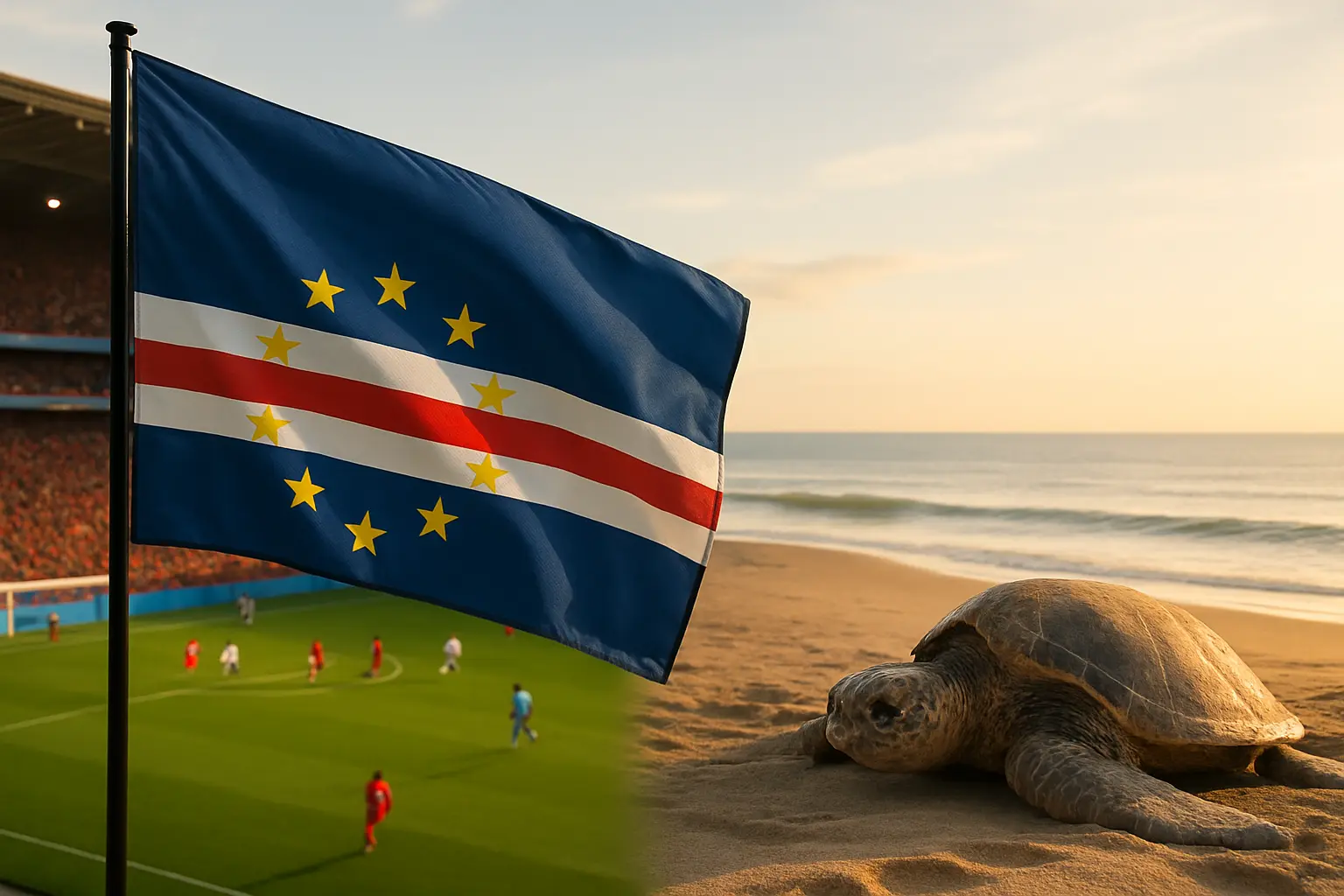
Cape Verde has become a focus of attention due to an upcoming sports match against Spain, which has inspired a watch party event in Southwest Atlanta. Concurrently, scientific studies have reported on sea turtles in Cape Verde waters nesting earlier due to warming temperatures, although egg output has decreased. These findings emphasize the environmental challenges faced by the region amid climate change.
Why it matters now
The combination of a high-profile sports event involving Cape Verde and emerging research on climate change effects on local marine wildlife has sparked current interest in Cape Verde. This dual focus on sports and environment highlights Cape Verde's diverse significance on the global stage.
Latest updates
News coverage highlights the Spain vs. Cape Verde watch party and scientific research about sea turtles in Cape Verde waters.
FAQs
- Q1Why is Cape Verde getting media attention recently?
- Cape Verde is receiving media attention due to a notable sports match against Spain and scientific studies highlighting the impact of climate change on sea turtle nesting in the region.
- Q2What environmental issues are associated with Cape Verde?
- Studies have found that warming waters around Cape Verde cause sea turtles to nest earlier, but the egg output has fallen, highlighting the impact of climate change on local wildlife.