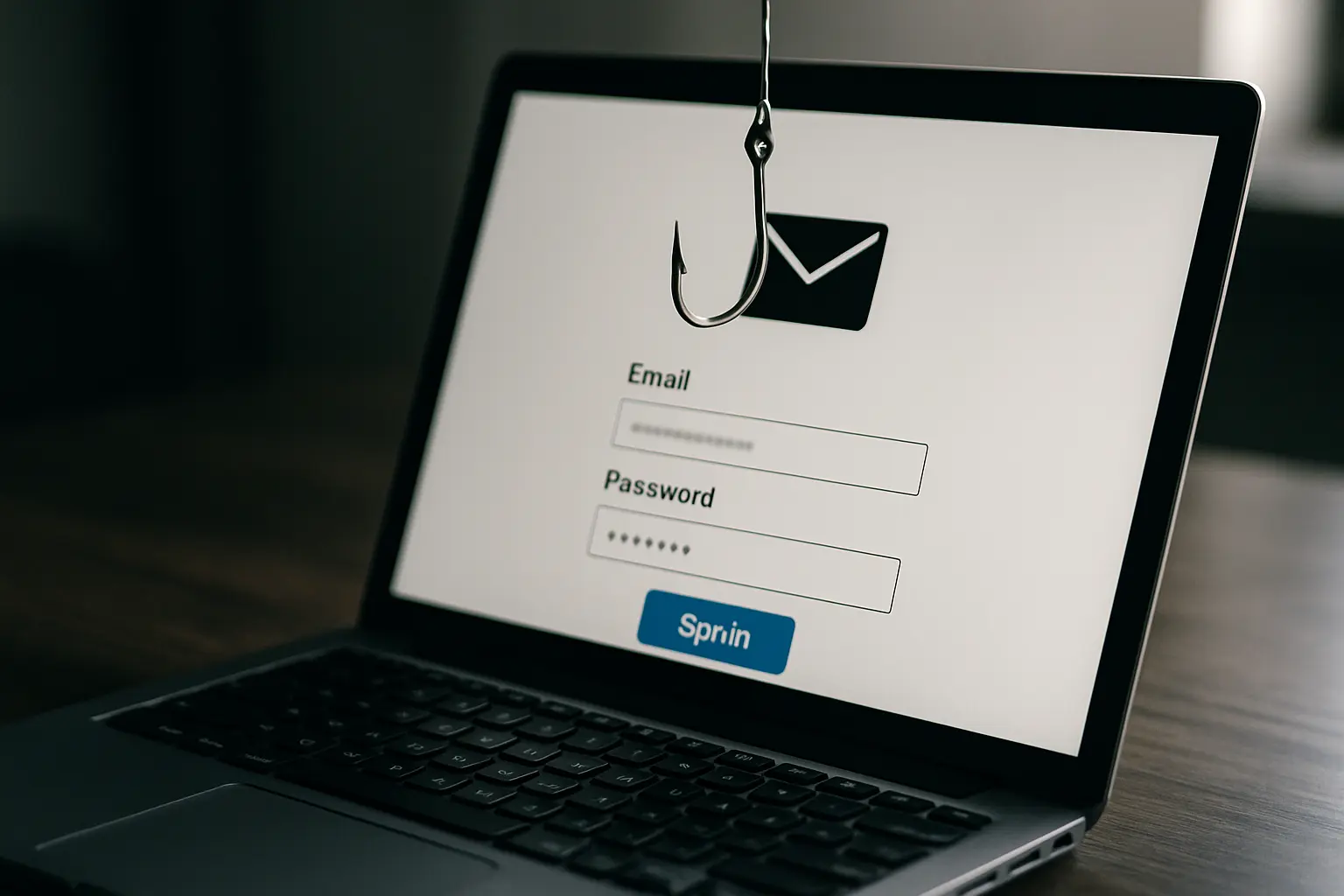
Authorities and Experts Emphasize Vigilance Against Phishing Scams
Homeland Security and cybersecurity experts urge public caution as phishing attempts continue via email, texts, calls, and websites, highlighting how to recognize and report these scams.

At a glance
- Phishing involves deceptive attempts to trick individuals into revealing personal information through emails, texts, calls, and fraudulent websites.
- Government agencies like Homeland Security warn about rising phishing scams and advise caution.
- Resources and instructions are available on how to detect and report phishing attempts to protect oneself.
What happened
Recent online search interest has surged for the term 'what is phishing,' reflecting growing public concern and need for information on this type of cyber threat. Authorities including Homeland Security have issued warnings about phishing scams, which often use email, texts, calls, and fake websites to deceive individuals into sharing sensitive information. Expert guides have been published explaining how to recognize and report phishing.
Why it matters now
The increase in phishing-related scams and attempts has led to heightened awareness and concern among the public and officials, prompting more people to seek information on what phishing entails and how to defend against it.
Latest updates
Homeland Security urges caution of phishing attempts and scam messages, highlighting the importance of awareness.
What is still unclear
- Information is based on recent search trends and publicly available advisories as of February 2026.
- Details provided are for general awareness and may not represent all aspects of phishing threats.
FAQs
- Q1What is phishing?
- Phishing is a type of cyber scam where attackers impersonate legitimate entities via email, text message, phone calls, or websites to steal personal information such as passwords, credit card numbers, and social security numbers.
- Q2How can I recognize a phishing attempt?
- Phishing attempts often contain suspicious links, requests for personal information, urgency or threats, poor grammar or spelling mistakes, and unexpected messages from unknown sources.
- Q3What should I do if I receive a phishing message?
- Do not click any links or provide any information. Report the phishing message to relevant authorities or through security software, and delete the message.